Direct Patient Care Experience for PA School: Requirements, Jobs, and Hours (2026 Guide)
Direct patient care experience is one of the most important requirements for admission to PA school. This guide explains how to gain strong patient care experience for PA school—from understanding requirements and recommended jobs to knowing how many hours you need to be a competitive 2025 applicant.
Why Direct Patient Care Experience Matters for PA School Admissions
There are several reasons why PA schools require direct patient care experience for PA school admissions:
Understanding the Role
Direct patient care helps aspiring PAs understand the immense responsibility that comes with caring for someone’s life. Naturally, PA schools want to avoid admitting a student who lacks this understanding and may change their mind midway through their PA studies.
Cultivating Teamwork Skills
Most patient care experiences involve working in a team, a concept that is at the core of the PA profession. Therefore, PA schools seek applicants who are capable of effectively working as part of a healthcare team. Direct patient care experience is a great way to show that you are a collaborative team player, enhancing your chances of PA school admission.
Developing a Foundation in Healthcare
Direct patient care helps pre-PA students build clinical judgment and learn medical terminology. These skills prepare them to succeed in PA school. In fact, this idea is backed up by research.
- For example, a study of nearly 150 PA students in the US found that increased patient care experience was associated with better scores on the PANCE exam.
- A 2025 study of medical students found that early clinical exposure improved performance, showing the value of real-world experience in preparing future providers. Given that PA education follows the medical model, these findings are also applicable to PA students.
By acquiring necessary patient care skills, you show PA programs that you are ready for the challenges of PA school and prepared to thrive in clinical training.
What Is the Difference Between Patient Care Experience (PCE) and Healthcare Experience (HCE) for PA School?
For the 2025-2026 application cycle, CASPA continues to make a distinction between patient care experience and healthcare experience for PA school. According to CASPA:
- Healthcare experience includes “paid and unpaid work in a health or health-related field where you are not directly responsible for a patient’s care, but may still have patient interaction.” For CASPA’s purposes, taking vital signs, serving as a scribe, or working as a medical assistant count as healthcare experience, as do clerical roles in healthcare.
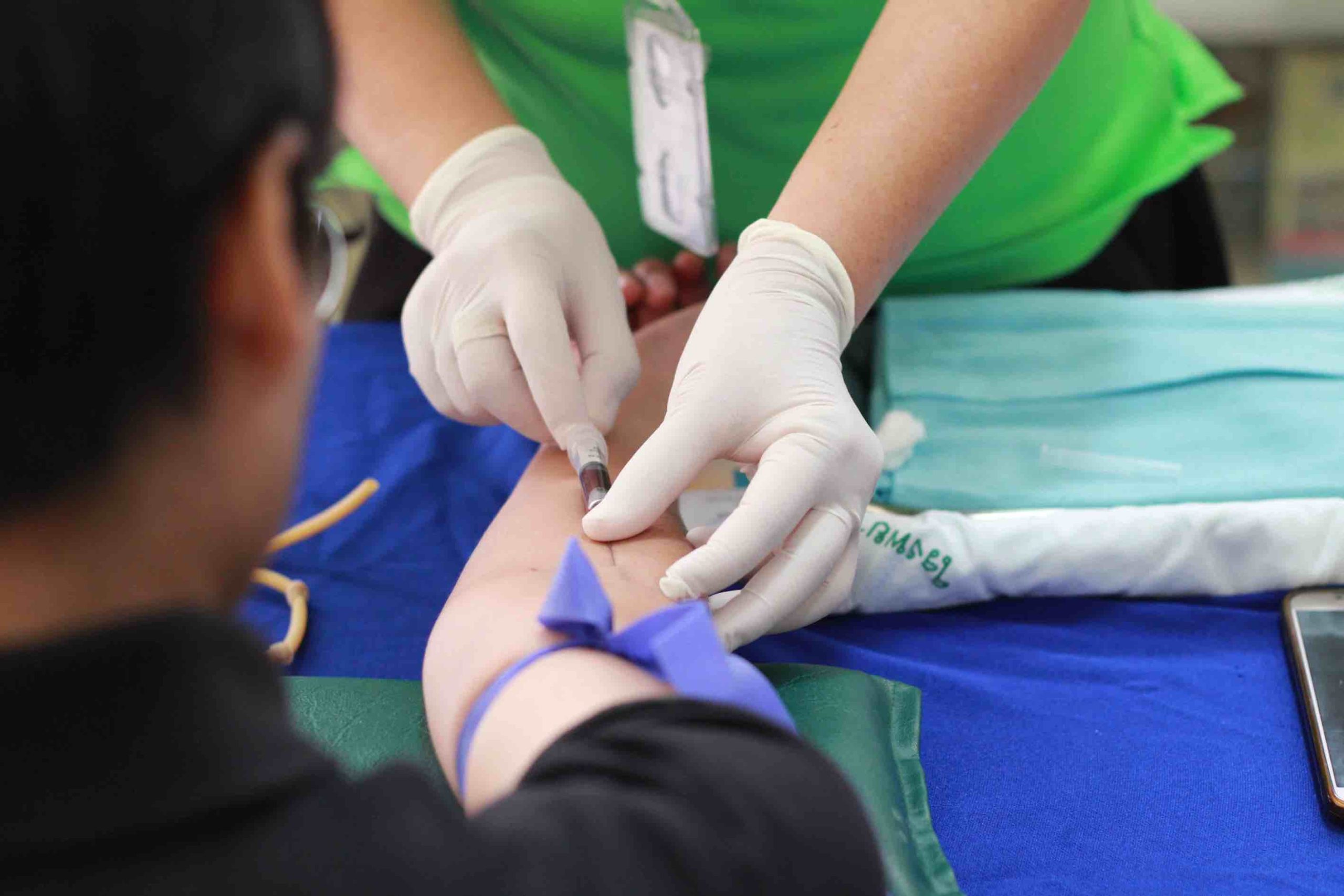
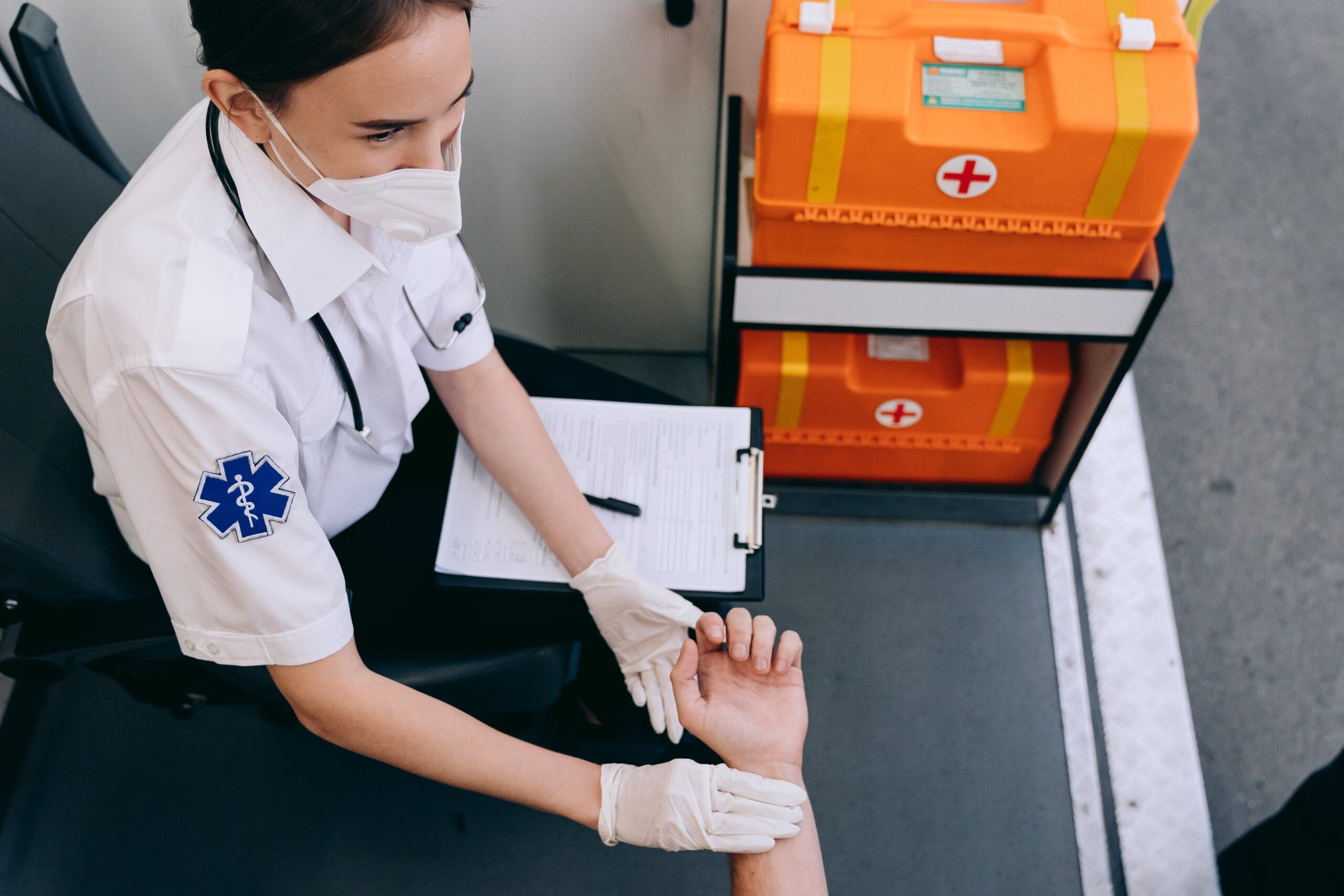
- Patient care experience is one where the individual is “directly responsible for a patient’s care.” Examples of patient care experience supported by CASPA include being a nurse, paramedic, emergency medical technician, certified nursing assistant, or phlebotomist. These are among the most common patient care experience jobs for PA school applicants.
Many PA schools use the terms patient care experience, healthcare experience, and patient contact experience interchangeably.
Do PA Schools Prefer Patient Care Experience (PCE) Over Healthcare Experience (HCE)?
PA schools look for clinical experiences where the individual is working hands-on with patients in a medical setting. CASPA classifies most hands-on roles as Patient Care Experience (PCE). Moreover, some healthcare positions, like medical assisting, also count toward patient care experience at many PA schools.
Rule of Thumb: To know if an experience is valued, ask whether it involves direct, hands-on interaction with patients.
What Are the Best Patient Care Experience Jobs for PA School Admissions?
When deciding which direct patient care job to pursue for PA school, consider the following factors that most programs look for:
Level of Responsibility
The more responsibility a patient care role entails, the more favorably it will be viewed by PA schools. For example, a PA school applicant who works as an emergency room technician or EMT will be looked upon more favorably than a medical scribe. Even within EMT roles, those that involve responding to acute medical emergencies on the field are more impressive than those that involve transporting stable patients from one location to another.
Setting
A patient care role at a hospital or clinic or in an ambulance is more likely to resonate with PA schools than a role that involves working in a long-term care setting like a nursing home or as a home health aide.
Training
Many PA schools look more favorably at applicants who have obtained formal training and/or a certification in their patient care experience role. Examples include experiences as a certified medical assistant, phlebotomist, or emergency medical technician (EMT).
Specialty
Clinical experience in virtually any specialty is acceptable; however, PA schools prefer applicants who have worked in primary care. Physician assistants play a critical role in filling the gap in healthcare. One area where this gap is most pronounced is primary care. Experiences in primary care demonstrate a commitment to this field. In addition, fields like primary care and emergency medicine allow pre-PA students to get exposure to a wider range of pathologies than highly specialized fields like ophthalmology or dermatology.
Working Directly with PAs
Though not essential, jobs where you are working with PAs can bolster your direct patient care experience for PA school admission. If you have worked with a PA as opposed to solely shadowing one, that PA can say more about your work ethic and skills in your PA school letter of recommendation. Working with a PA in a collaborative setting gives you more insight to discuss in your PA school personal statement and supplemental applications.
Do Not Panic if Your Job Doesn’t Meet All These Criteria!
Your job may not meet every criterion, but it can still provide valuable patient care experience for PA school. PA schools know that finding direct patient care experience for PA school is not easy. We have seen many applicants get accepted to PA school after working in fields like dermatology or ophthalmology.


Examples of Strong Direct Patient Care Roles That Count for PA School
In the last application cycle (2024 – 2025), the most common direct patient care roles we saw among students accepted to PA school were the following:
- Phlebotomist
- Medical Assistant
- Emergency Medical Technician (EMT)
- Emergency Room Technician
- Patient Care Technician (PCT)
- Certified Nursing Assistant (CNA)
- EKG Technician
Each of these positions can be a great way to gain direct patient care experience before applying to PA school.
Does Scribing Count as Patient Care Experience for PA School?
- Scribing can count as patient care experience for some PA schools, but not all.
- Many PA schools accept scribing as a form of healthcare experience because it provides exposure to clinical environments and medical terminology.
- However, since scribes typically do not perform hands-on care, applicants with roles involving direct patient interaction—such as phlebotomy, medical assisting, or EMT work—are usually viewed as more competitive.
- Some schools may also allow scribing to fulfill only part of their patient care experience requirement.
Always confirm with each PA program whether scribing qualifies as patient care experience for their specific requirements
Does Clinical Research Count as Patient Care Experience for PA School?
Clinical research can count as patient care experience at many PA schools, but only if it involves direct, hands-on interaction with patients.
- Counts: Measuring vital signs, drawing blood, or performing EKGs on study participants in a clinical setting.
- Does not count: Enrolling patients, managing study paperwork, obtaining ethics approval, or analyzing data.
If your clinical research role includes both types of tasks, keep track of how many hours you spend each week performing patient-facing duties. When it’s time to apply to PA school, you’ll be able to accurately report your direct patient care hours.
Do All PA Schools Require Direct Patient Care Experience?
Not all PA schools require direct patient care experience (PCE), but most do, and even those that don’t require it typically recommend it. Virtually every PA program favors applicants who have had prior hands-on clinical experience. For applicants who lack such experience, PA schools that don’t require direct patient care experience may be considered the easiest PA schools to get into. Keep in mind, however, that getting into PA school without any clinical experience is challenging.
PA programs generally fall into one of the following categories:
- PA Schools That Don’t Require Direct Patient Care Experience
- PA Schools That Recommend but Don’t Require Direct Patient Care Experience
- PA Schools That Require Direct Patient Care Experience
How Many Patient Care Hours Are Required for PA School?
The minimum number of direct patient care hours required for PA school varies significantly across programs, ranging from no minimum requirement at a few schools to over 2,000 hours at others.
- Most PA programs set a minimum requirement between 500 and 1,000 hours of hands-on patient care experience, while a handful of schools require 2,000 hours or more.
- The number of patient care hours needed to be competitive for PA school depends on the specific programs you are applying to and the overall strength of your application. As a general rule, we advise students to aim for at least 1,000 hours of direct patient care experience.
- That said, many applicants are accepted with fewer hours—especially those who have gained 500 or more hours of clinical experience by the time they submit their CASPA application.
What Is the Average Number of Patient Care Hours for Accepted PA Students?
Many PA programs report averages well above 2,000 hours, even when their minimum requirement is 500 hours or less. It’s easy to feel discouraged when comparing yourself to the average number of patient care hours for accepted PA students, but these figures often need context:
Here’s why average patient care hour data can be misleading:
- Non-traditional applicants such as nurses, paramedics, or medical assistants often have thousands of clinical hours accumulated over years of full-time work.
- These few high-hour applicants skew the averages upward, creating the impression that all accepted students have extensive experience.
- In reality, most accepted PA students have fewer hours at the time of application.
Example: Imagine a PA program with 30 students. Of those, 25 applied with 750 hours of direct patient care experience, while five applicants had 15,000 hours each from long-term clinical careers. The program’s average appears to be 3,125 hours, even though the majority of accepted students entered with under 1,000 hours.
The good news is that many students are accepted to PA school with below-average hours of direct patient care experience.
Does Patient Care Experience for PA School Have to Be Paid?
- Most PA schools accept both paid and unpaid patient care experience hours. However, some programs specifically require paid healthcare experience before applying to PA school.
- In general, paid patient care experience for PA school is preferred because it demonstrates a higher level of responsibility and commitment. Paid jobs like medical assistant, EMT, or phlebotomist usually involve more hands-on work, which PA programs value.
- That said, unpaid or volunteer patient care experience can still strengthen your application—especially if it provides meaningful, direct interaction with patients.
- Whenever possible, we recommend pursuing paid clinical experience so you can both gain valuable skills and be compensated for the many hours you invest in patient care.
Does PA Shadowing or Hospital Volunteer Work Count as Patient Care Experience for PA School?
Most PA schools don’t consider shadowing or hospital volunteer work as true patient care experience, but some programs allow a limited number of hours from these activities to count toward their requirements.
- PA shadowing and hospital volunteer work are valuable parts of a PA school application, but they are not the same as direct patient care experience (PCE). Both are viewed positively—especially shadowing a PA, which helps you understand the PA role and strengthens your personal statement.
- Some PA programs allow a limited number of shadowing or volunteer hours to count toward their patient care experience requirements. For example:
- A PA program may require 1,000 hours of direct patient care experience (PCE).
- It might allow up to 200 volunteer hours or 50 PA shadowing hours to count toward that total.
- Some schools also accept shadowing with other healthcare professionals, though PA shadowing is preferred.
Do Medical Mission Trips Count as Direct Patient Care Experience for PA School?
Some PA schools count medical mission trips toward direct patient care experience but only if your role involves hands-on patient care similar to U.S. clinical settings.
- PA schools generally view medical mission trips positively, especially when they involve direct, hands-on patient care. Some programs even count medical mission experience as patient care hours if your responsibilities closely match those of clinical roles in the United States healthcare system.
- PA programs expect most patient care hours to be completed in the U.S. This helps applicants understand local healthcare systems and patient needs.
- International medical graduates (IMGs) applying to PA school should also seek U.S.-based patient care experience before applying. Even if you have extensive clinical work abroad, PA schools value experience within the U.S. healthcare system to ensure readiness for PA practice.
Or call 888-839-9997 or email our team.
Other Frequently Asked Questions About Direct Patient Care Experience for PA School
Here are answers to some additional questions about direct patient care experience (PCE) that PA school applicants frequently ask. These details can help you understand how different experiences are evaluated by PA programs.
Can I Count Clinical Experiences During a Training Program as Direct Patient Care Experience for PA School?
Some programs may accept hands-on clinical hours from training programs such as EMT, phlebotomy, or certified medical assisting toward direct patient care experience (PCE). However, classroom or simulation hours typically do not count. Always confirm with each PA program whether training-related experience qualifies for their PCE requirements.
How Recent Should My Patient Care Experience Be for PA School?
Most PA programs prefer recent, ongoing patient care experience—ideally within the past one to two years. The most competitive PA school applicants have recent and ongoing patient care experience at the time of applying. Some programs accept older experience if it was extensive or clinically relevant, but many set expiration limits, often five years. Always review each school’s PCE recency policy to ensure your hours qualify.
Can I Use Direct Patient Care Experience from High School for my PA School Application?
Patient care experience from high school may enhance your background, but it rarely fulfills PA program requirements. High school healthcare experience can strengthen your story or personal statement, but should not make up the majority of your patient care hours. Some PA programs may count limited high school experience, but most expect college-level or professional clinical work completed more recently.
Should I Keep Gaining Patient Care Experience After Submitting My CASPA Application?
Yes, continuing patient care work after applying shows ongoing commitment and can help meet minimum hour requirements.
- Even after submitting your CASPA application, it’s smart to keep accruing direct patient care hours. Some PA programs allow applicants to apply with hours in progress, as long as the minimum PCE requirement is completed before matriculation. For example:
- A PA school requires 1,000 hours of patient care experience to be completed by March of the matriculation year.
- You apply in June with 680 completed hours.
- You work 20 hours per week as a phlebotomist and reach 1,000 hours by September, well before the program’s March cutoff.
Key Takeaways
- Direct patient care experience is one of the most important parts of the PA school application and is highly valued by PA schools
- PA schools prefer direct patient care experiences that involve working closely with patients hands-on in a clinical setting alongside a team of healthcare providers
- Aim for at least 500–1,000 patient care hours for PA school to remain competitive.
- Volunteer work or PA shadowing may count for some hours, but hands-on clinical experience carries more weight.
- Even after submitting the CASPA application, gaining additional direct patient care experience can strengthen an applicant’s candidacy for PA school
- PA schools’ requirements for direct patient care experience vary from program to program. Applicants should check each school’s requirements carefully.